


Fri February 02 2007
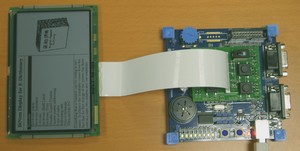
 Nemoptic offers prototype kit of BiNem e-paper Nemoptic offers prototype kit of BiNem e-paper
|
|
04:19 AM by Alexander Turcic in E-Book General | News
If this is not enough for your display hacking aspirations, check out Nemoptic's BK 1401 evaluation kit, which includes everything you need to build your custom e-book reader device, except that at EUR 2500 it's somewhat expensive. [via EETimes] |
|
[ 12 replies ] |
 Here is a follow-up to our
 Thu February 01 2007
|
Apply to beta test PalmOS SlingPlayer
|
|
02:55 PM by Bob Russell in Archive | Handhelds and Smartphones
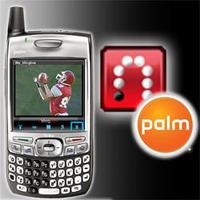
For newcomers, SlingBox is a physical box that sits by your TV at home, and with a high speed internet connection, it makes it possible to watch TV remotely. If you are lucky enough to be chosen as a beta tester, you can do it with PalmOS now. If not, be sure to check out Orb, which has a free all software solution. You just need a TV tuner on your PC and a high speed internet connection. Even without a TV tuner, you can still stream other video from your home PC. Via JkOnTheRun. |
|
[ 0 replies ] |
 SlingBox has indicated for a while that there would be a mobile client for PalmOS. (The Windows Mobile version is already available.) You can now
 |
Dell making plans for a gaming handheld
|
|
10:55 AM by Bob Russell in Archive | Handhelds and Smartphones
As expected, there is not enough detail to know whether planning is general strategic long term planning, or whether they are actually doing product design and making manufacturing agreements. Via Palm Addicts and Brighthand. |
|
[ 3 replies ] |

|
Universal Display as potential supplier of e-book displays
|
|
08:58 AM by Anchoku in E-Book General | News
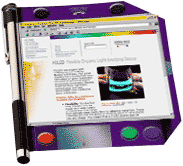
While the article starts off rather empty, there are some more substantive facts included further on. These folks, while not having an e-product, nevertheless should be considered one of the possible e-book display device developers. |
|
[ 4 replies ] |
|
Quote launches mobile financial portal
|
|
05:30 AM by TadW in Archive | Mobile Sites
|
|
[ 0 replies ] |
 If you are a wannabe superstar trader, you should check out Quote's
 Wed January 31 2007
|
eReader 10% discount through 02/06/07
|
|
10:49 AM by Alexander Turcic in E-Book General | Deals and Resources (No...
|
|
[ 2 replies ] |
 Our friends at Palm Addicts have
 |
Winthrop University testing the Sony Reader
|
|
10:42 AM by Alexander Turcic in E-Book General | News
Read the full article here. |
|
[ 6 replies ] |
 Imagine the only thing you need to bring to school is your brain and the Sony Reader. Faculty members of the
 Tue January 30 2007
|
First week with the STAReBOOK
|
|
02:44 PM by CommanderROR in More E-Book Readers | Netronix
Now I've had some more time to evaluate the device and would like to add a few things to my previous review. Ergonomics: I have done quite a lot of reading this past week, as much as my limited spare time allowed. I used the STAReBOOK in a number of situations, reading on the couch, in bed, while eating and while installing software on my computer...more about that later...
Of course it's hard to talk about durabilty after such a short time, so I'll make it short. I have found no obvious reasons why this device should not last quite some time. The keys seem to be well constructed, the frame feels solid (and it does not creak quite as ominously as the Iliad does if you twist it slightly...
Now this is the main point...
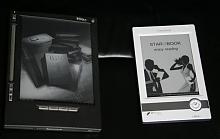
The STAReBOOK is a very nice device. The design is cool, it feels good and is easy to hold, even for longer reading sessions. It's battery life could be better, but it's OK as it is if you are willing to accept the compromise. |
|
[ 37 replies ] |
 As most of you probably remember, I received a review sample of the STAReBOOK last monday.
 ) and nothing rattles as far as I could discover. I also dropped it (not on purpose!!!) yesterday evening and it still works just like before (it fell from my hand to the (hard) carpet floor) and has no sign of damage to either casing or screen. I never dropped the Iliad so far, so I can't really say how that device would have survived the fall.
 Week's Hot Topics
 Latest Polls
 Latest E-Books


 Latest Forum Activity
