


Fri October 22 2004
 Medieval Folk Healer 1.1 Major Update Medieval Folk Healer 1.1 Major Update
|
|
05:09 AM by Alexander Turcic in Archive | Handhelds and Smartphones
Thanks for JongJungBu for informing us. |
|
[ 0 replies ] |
 Medieval Folk Healer has undergone a major update with all new graphics and an all new interface! Medieval Folk Healer combines history and fiction to create a business game in the healing arts of yore. The full version costs only $9.95 and a trial version is available for download. More information can be found at the Trisystech website:
 Thu October 21 2004
|
Cash-cow Handango
|
|
09:25 PM by Colin Dunstan in Miscellaneous | Lounge
You can read the rest here. Now this is slightly annoying to me. Remember the discussion on the ESD Monopoly? Well it appears nothing has really changed much since then. Handango makes it into some silly ranking list and can still celebrate its ESD margin of 40% or greater. |
|
[ 1 reply ] |
 I read in a press release today that Handango has made into the Inc. 500 list:
|
Astraware up-to-50%-discount offers
|
|
09:16 PM by Colin Dunstan in Archive | Handhelds and Smartphones
Bejeweled is still one of my favorite games out there. So if you haven't had a change to buy it yet, you can do it now! |
|
[ 0 replies ] |
 Astraware has lined up twelve of its latest titles and
|
TomeRaider 3 is Final now
|
|
09:08 PM by Colin Dunstan in E-Book Software | Reading and Management
I don't think much anything has changed from the last beta, so this here is new since TomeRaider 2: Categories/Filters for database queries, image support, accelerated full text searches, better and faster compression, full html support, DRM and encryption. TomeRaider is optimized for large text files and dictionary lookups. For instance, you could convert the Wikipedia database to a highly optimized, searchable .tr3 file. |
|
[ 3 replies ] |
 Last week we
 |
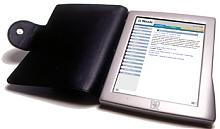
Cybook E-Book Reader reviewed
|
|
07:47 PM by Colin Dunstan in More E-Book Readers | Legacy E-Book Devices
As sad as this sounds, but the Cybook is still not the perfect e-book reader we've been waiting for (disqualifies because of: lousy screen, outdated software, high price). And thus our search continues... |
|
[ 10 replies ] |
 aRMiTaG3 has a cool illustrated
 |
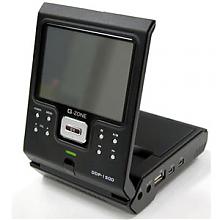
20GB portable video player with WiFi
|
|
07:37 AM by Colin Dunstan in Archive | Portable Audio/Video
First found at DAPreview.com. |
|
[ 4 replies ] |
 What a beauty! Korean Jace
 |
All PDA reviews in one place
|
|
05:28 AM by Colin Dunstan in Miscellaneous | Lounge PDAReviewSpot.com is an online portal to find links to the latest PDA reviews and pricings all over the web. While its database currently features around 400 PDA reviews, with all the new PDAs popping up these days, I am sure this site will grow fast in no time. |
|
[ 0 replies ] |
Wed October 20 2004
|
PDAMill: Buy one - get one free!
|
|
03:12 AM by Alexander Turcic in Archive | Handhelds and Smartphones
In celebration of having Anthelion nominated as a Finalist for the Pocket PC Awards, we're giving it away for FREE! Right now, if you purchase our new 3D title, Flux Challenge, you will receive a copy of Anthelion for FREE! All you have to do is visit PDAMill.com, put both of the titles to your shopping cart and use the promotion code 'PDAMILL3D'. Or even easier, just click on this link: http://www.handango.com/minibrand/ba...code=PDAMILL3D |
|
[ 0 replies ] |
 One of the nicest game developers out there, PDAMill, has a nice offer we couldn't resist sharing with you:
 Week's Hot Topics
 Latest Polls
 Latest E-Books


 Latest Forum Activity
